
 Article
October 27, 2026
7 min read
 FirstConnectt
Enterprise communication insights
FirstConnectt
Enterprise communication insights
Article · FirstConnectt Insights
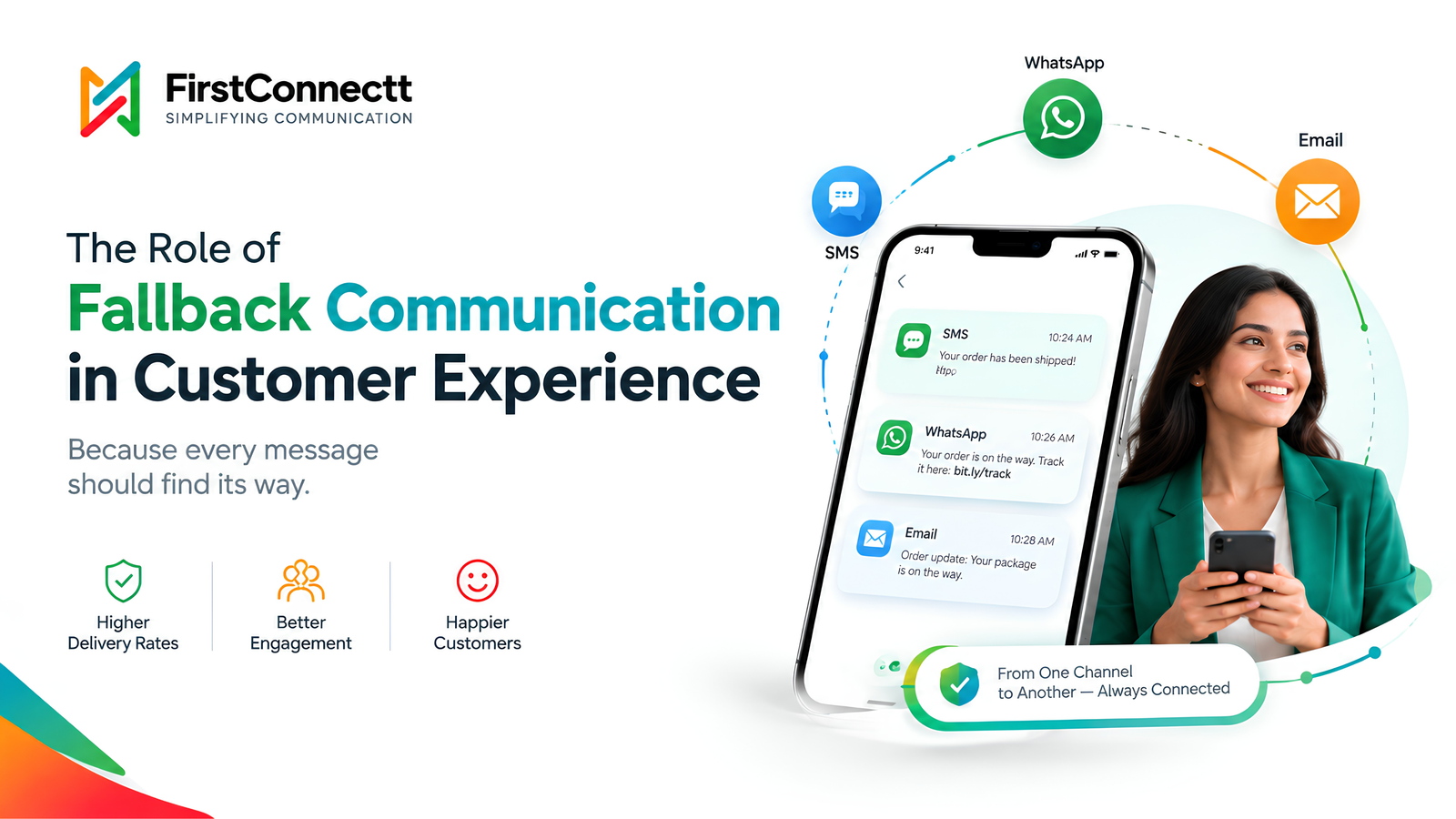
Customer communication does not always go as planned. A message may fail to reach a customer, a preferred communication channel may become unavailable, or a particular channel may simply not be suitable for the situation. When this happens, businesses need an alternative way to stay connected.
This is where fallback communication becomes important. Instead of allowing a communication failure to interrupt the customer journey, businesses can plan alternative routes that keep important conversations moving. But why is having an alternative communication route so important for businesses, and how can it help maintain a consistent customer experience? Let us dive into it!
Customers expect businesses to respond quickly and consistently. However, no communication channel is perfect all the time.
For example, a customer may receive an SMS because of a delivery issue. An email may go unopened, or a customer may not respond to a WhatsApp message. In another situation, a business may need to contact a customer urgently when its preferred channel is temporarily unavailable.
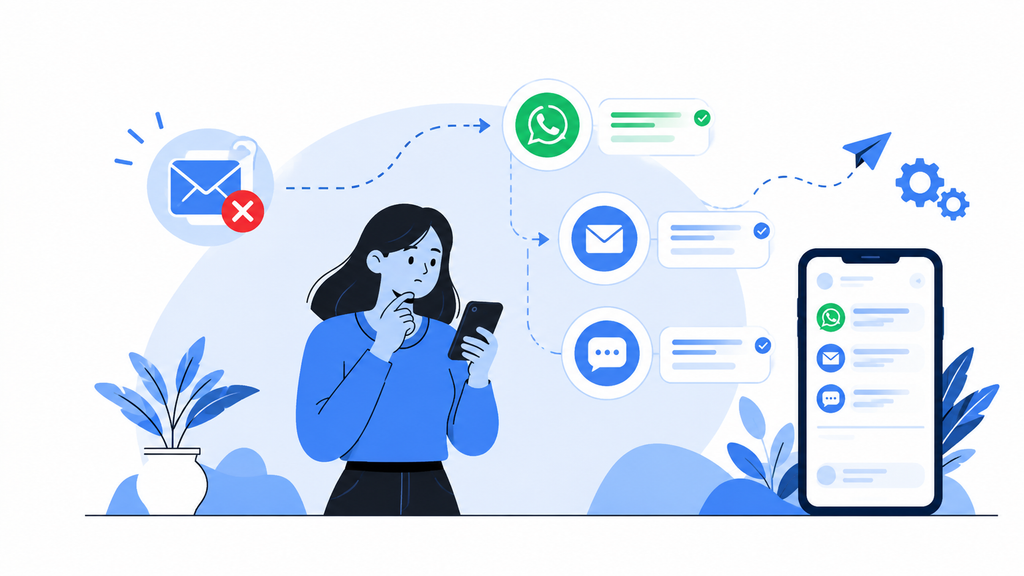
Without any alternative route, the communication can stop there. With fallback communication, businesses can create a backup journey. If the first communication route does not work, another appropriate channel can be used.
For example:
Primary Channel: SMS
Fallback Channel: WhatsApp or email
OR
Primary Channel: Email
Secondary Channel: SMS
The exact route depends on the customer, the type of message, and the communication preferences of the businesses.
A good customer experience is not only about what a business communicates. It is also about whether the communication actually reaches the customer.
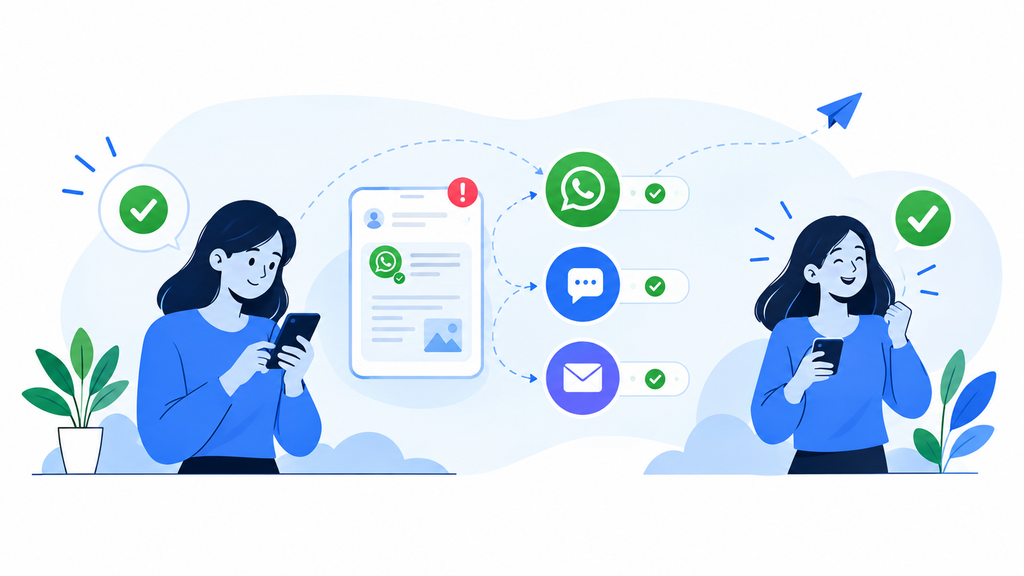
Fallback communication can help businesses maintain continuity when the preferred channel is unavailable or unsuitable.
A failed message can create confusion for customers, especially when the information is time-sensitive. Consider an online business sending an order update through SMS. If the message cannot be delivered, the customer may remain unaware of the delivery status. A fallback route can provide another opportunity to deliver the same important information through a suitable channel. This can help reduce communication gaps and keep customers informed.
Successful message delivery is an important part of customer communication. Sending a message is only one part of the process; businesses also need to consider whether the customer actually receives and engages with it. Fallback communication allows businesses to plan what should happen when the first delivery attempt is unsuccessful.
For example, a business could send an important notification through its primary channel and use another channel when the first route is unavailable. This creates a more reliable communication process instead of depending completely on one channel.
Customers interact with businesses across different platforms. They may discover a brand on social media, receive an offer through WhatsApp, confirm an order through SMS and receive an invoice by email. This is where omnichannel messaging becomes valuable.
However, simply using multiple channels does not automatically create a reliable customer experience. Businesses also need to understand how these channels work together.
Fallback communication can connect different channels into a planned communication journey.
For example: WhatsApp > SMS > Email
If WhatsApp is not suitable for a particular communication, the business can use another channel based on predefined rules and customer preferences.
The goal is not to send the same message everywhere. It is to make sure the customer has an appropriate communication path when the preferred route does not work.
A successful fallback strategy needs to be planned in advance. Businesses should identify which channels are most appropriate for different types of communication and what should happen if the primary channel fails. A simple process can include:
Choose the channel that is most suitable for the specific communication.
For example: WhatsApp may be useful for conversational updates, while email may be more suitable for detailed information.
Decide which alternative channel can be used if the primary route is unavailable or unsuitable.
Businesses should establish what causes the fallback route to activate. This could include message delivery, channel unavailability, or lack of response where appropriate.
The customer should not have to repeat the entire conversation simply because the communication moved to another channel. Maintaining relevant context can make the transition smoother.
Businesses can track delivery rates, responses, failures, and channel performance to understand whether their fallback strategy is working effectively.
Implementing fallback communication effectively can become challenging when businesses manage multiple channels, large volumes of messages, and different customer journeys.
This is where FirstConnectt can support businesses in building more connected communication experiences. By bringing communication channels and customer interactions together, businesses can plan how messages should move across different channels based on the requirements of each customer journey.
For example, businesses can use a preferred channel for their initial communication and have an alternative route available when that channel cannot successfully deliver the message. This approach can help businesses reduce communication gaps while maintaining continuity across customer interactions.
Rather than treating every channel as a separate communication tool, businesses can take a more connected approach to customer messaging and build greater communication reliability.
Fallback communication can be useful across different industries.
Banks often send important notifications about transactions, account activity, or security-related updates.
If a notification cannot reach the customer through the preferred route, an alternative communication channel may help ensure that important information is not missed.
An online retailer may use WhatsApp or SMS to provide order and delivery updates. If the primary notification fails, another channel can be used to keep the customer updated about their order.
Flight bookings and reservation updates can be time-sensitive. A travel company can use multiple communication routes so that customers have a better chance of receiving important changes or reminders.
Appointment reminders and updates can require reliable communication. Using an appropriate fallback route can help reduce the possibility of customers missing important information.
One common misconception is that fallback communication means sending the same message through every available channel. That is not the goal.
Effective fallback communication is about choosing the right alternative at the right time.
For example, if a customer has already received and interacted with a message on one channel, sending the same communication repeatedly through several other channels could create frustration.
Instead, businesses should use communication rules based on factors such as:
• Message importance
• Customer preferences
• Channel availability
• Delivery status
• Type of interaction
• Urgency of the information
This helps businesses balance communication reliability with a better customer experience.
As customer expectations continue to evolve, businesses cannot rely on a single communication channel for every interaction. A reliable communication strategy should consider what happens when the preferred channel does not work.
This is where fallback communication can become part of a broader omnichannel strategy. Instead of viewing SMS, WhatsApp, email, voice, and other channels as separate tools, businesses can plan how these channels work together.
The result is a communication system that is more prepared for interruptions and changing customer needs.
For businesses, the objective is simple: keep the conversation moving without making the customer feel like they are starting over.
Customer communication can face unexpected interruptions, but those interruptions do not have to become customer experience problems.
With a well-planned fallback communication strategy, businesses can prepare alternative routes when a preferred channel is unavailable, unsuccessful, or unsuitable. By combining appropriate channels, monitoring messages, delivery, and building a structured omnichannel messaging approach, businesses can improve communication reliability while keeping customer interactions connected.
Platforms such as FirstConnectt can help businesses bring these communication journeys together and create a more connected approach to customer interactions. With the right communication strategy, businesses can ensure that when one route fails, another suitable path is ready to keep the conversation going.
The key is not to communicate through every channel. It is about having the right channel ready when the preferred one cannot do the job.
Fallback communication is a strategy where businesses use an alternative communication channel when the preferred channel is unavailable, unsuccessful, or unstable. It helps keep customer communication connected and reliable.
Fallback communication reduces communication gaps and ensures customers still receive important information when the primary channel fails.
Fallback communication connects different channels such as WhatsApp, SMS, email, and voice into a planned communication journey. This allows businesses to move communication to another suitable channel when needed.
No. Effective fallback communication does not mean sending the same message everywhere. Businesses should select an appropriate alternative based on factors such as message importance, customer preferences, delivery status, channel availability, and urgency.
Businesses can improve communication reliability by identifying a primary channel, choosing a suitable fallback channel, defining when the fallback should activate, maintaining customer context, and monitoring communication performance.
Share this article
Article
 Article
 Article
Ready to put these ideas to work? Talk to our team about your communication stack.
Get Started →