
 Article
October 14, 2026
6 min read
 FirstConnectt
Enterprise communication insights
FirstConnectt
Enterprise communication insights
Article · FirstConnectt Insights
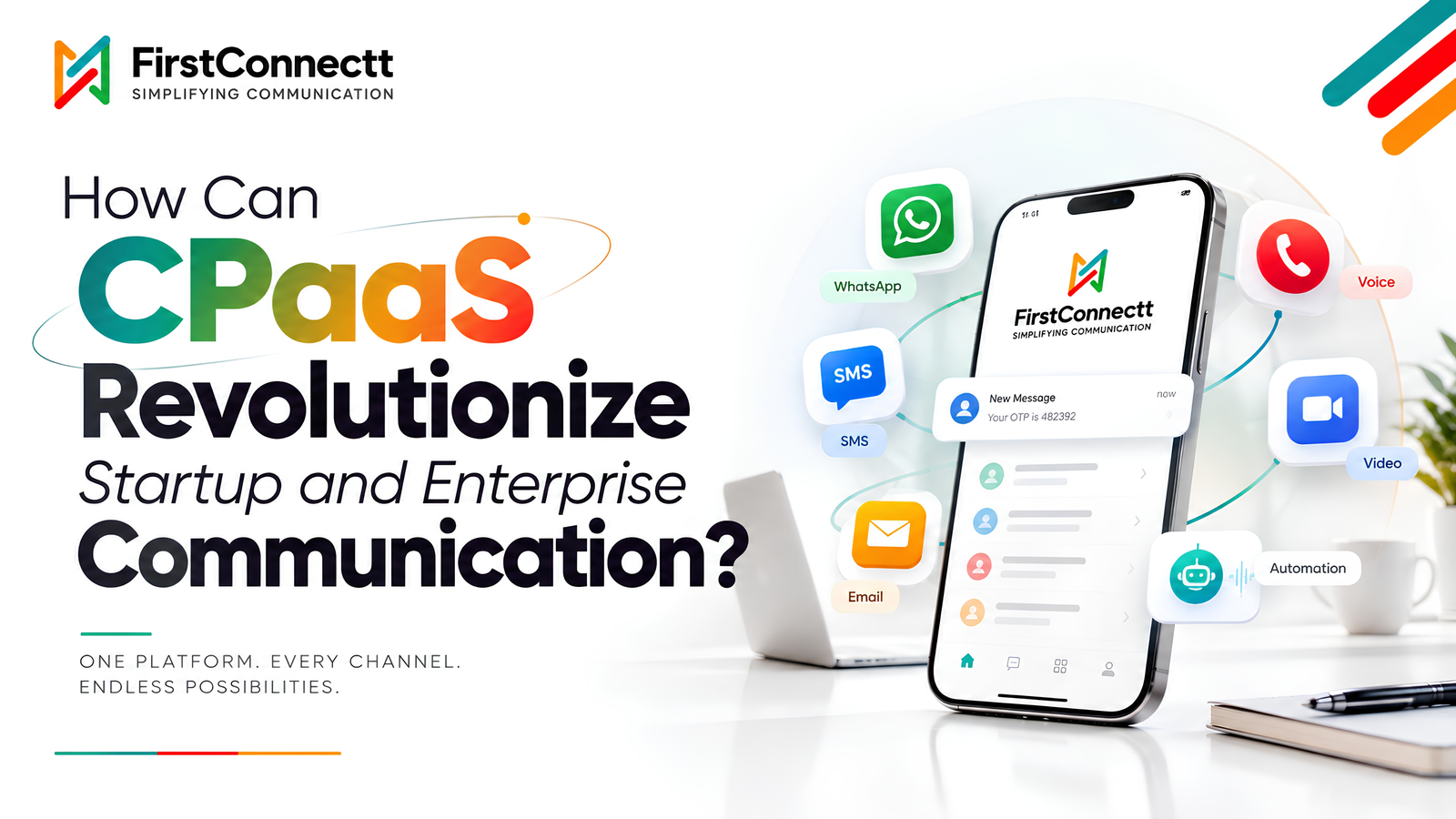
Communication is not just about sending messages or answering calls. For startups and enterprises, every interaction can influence trust, satisfaction, retention, and revenue. As businesses grow, managing voice calls, SMS, WhatsApp, email, and other channels can become complicated. And choosing only one platform means losing your potential customers from the other side. This is where Communication Platform as a Service (CPaaS) can make a significant difference.
Today, customers expect businesses to be available on the channels they already use and to receive quick, convenient responses. A delayed notification, missed call or disconnected customer journey can affect the overall experience. At the same time, businesses need communication systems that can handle growing volumes without creating unnecessary operational complexity.
CPaaS gives businesses access to communication capabilities through APIs and cloud-based tools, allowing them to add messaging, voice, video, authentication, and automation without building communication infrastructure from scratch. This makes it easier for organizations to create connected communication experiences while adapting their systems to changing customer expectations.
Let us move forward with how CPaaS can reward your business immensely.
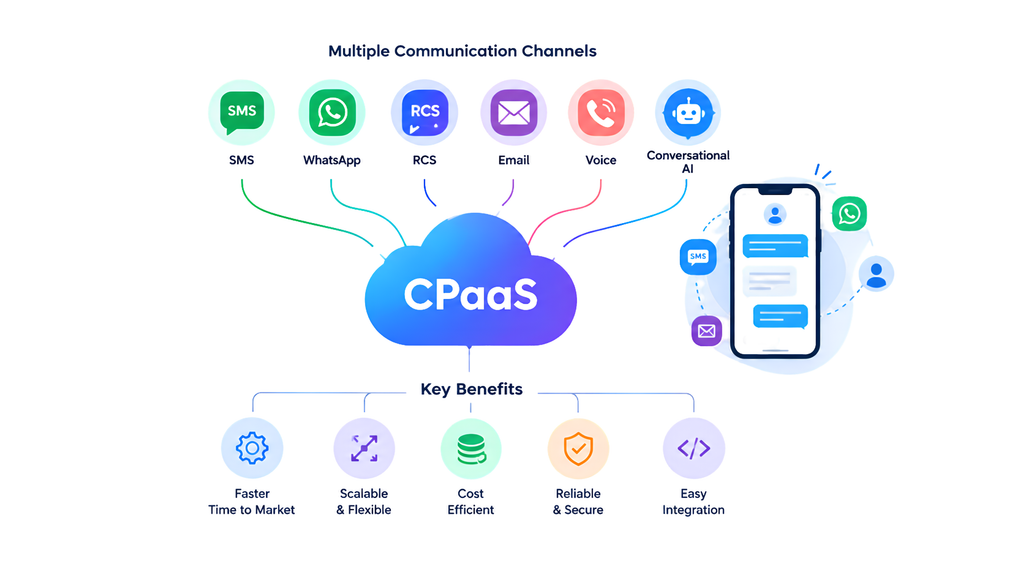
Unlike traditional telco setups, CPaaS (Communication As A Service) is cloud-native. It enables businesses to integrate communication features directly into their websites, applications, CRM systems, and other digital platforms. Instead of purchasing and maintaining complex communication infrastructure, organizations can use APIs and ready-to-integrate services provided by a CPaaS platform.
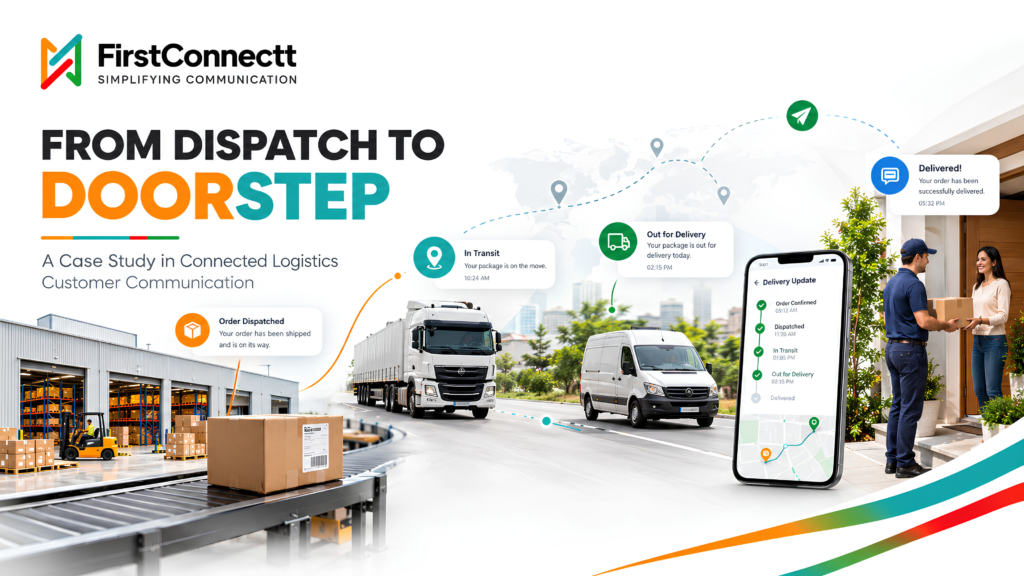
For example, a startup can use CPaaS to send OTP through SMS, confirm an order on WhatsApp, notify customers about delivery updates, or connect them with support through capabilities across thousands of interactions while maintaining a connected customer journey.
CPaaS is not simply a messaging tool. It can become a communication layer connecting business systems with customers, employees, partners, and other stakeholders.
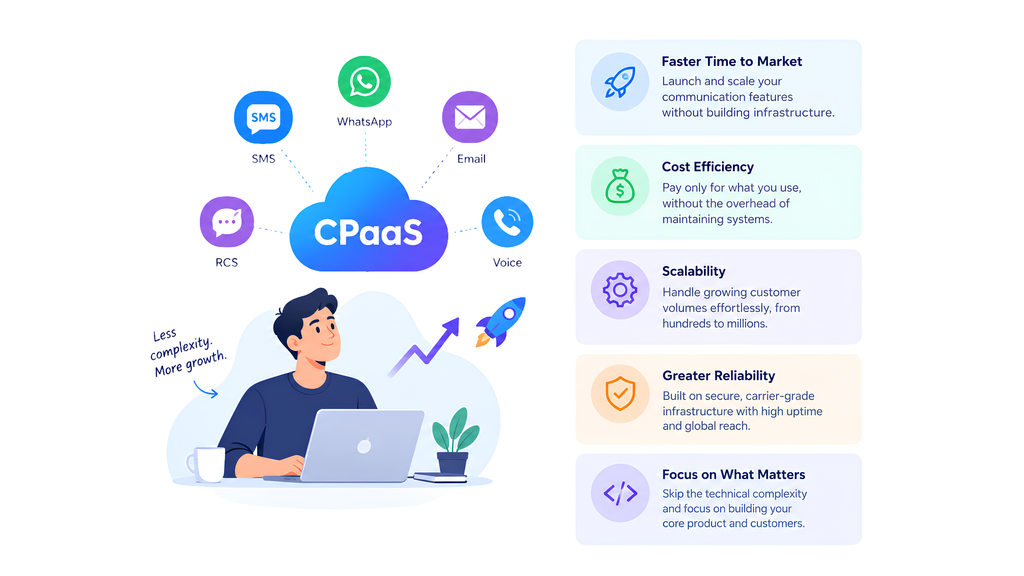
Startups often operate with limited budgets, small teams, and ambitious growth targets. Building communication systems internally requires technical resources and ongoing maintenance. CPaaS can reduce this burden by providing capabilities businesses can integrate when needed. Following the benefits of integrating CPaaS with your business.
A startup does not necessarily need to invest heavily in traditional communication infrastructure. With CPaaS, businesses can access cloud-based services and pay according to usage or selected plans. This can make expenses more predictable and free up resources for product development, marketing, and customer acquisition.
Speed matters for startups. Whether launching an app, creating a support workflow, or introducing a service, delays can affect competitiveness. APIs can help developers integrate communication features faster than building every capability internally. Teams can then experiment, launch, measure results, and improve customer journeys sooner.
A startup may begin with a few hundred customers and later experience rapid growth. A solution that works at a small scale may become difficult as interaction volumes increase, allowing communication capabilities to scale with business requirements.
Customers expect quick responses and convenient channels. Startups can use CPaaS to connect through channels they already use, such as WhatsApp, SMS, and voice. Automated reminders, notifications, confirmations, and support messages can make interactions more convenient while reducing friction.
Small teams cannot manually handle every customer request. CPaaS can support automated workflows, helping startups send updates, route conversations, trigger alerts, and deliver authentication messages. Automation saves employee time while ensuring important communications are not overlooked.
Enterprises face a different challenge, with larger customer bases, multiple departments, legacy systems, regional operations, and high communication volumes. CPaaS can bring these activities into a more connected framework.
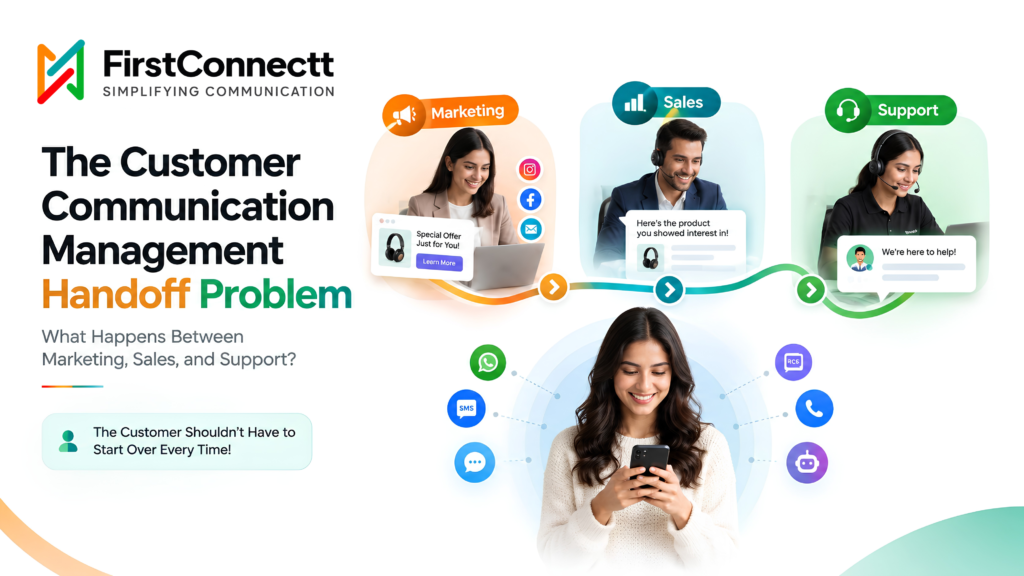
Enterprise customers may interact through multiple channels during one journey. A customer might discover a product through an advertisement, receive an SMS confirmation, ask a question on WhatsApp, and later speak with an agent. CPaaS can help connect these channels and create a consistent experience.
Customers value communication that is timely, relevant, and convenient. Enterprises can use CPaaS to automate transactional messages, appointment reminders, service alerts, payment notifications, and support interactions. Delivering information at the right moment can reduce uncertainty and improve the experience.
Large organizations rarely operate from a single platform. They may use CRM’s, help desk systems, ERP software, mobile applications, and international databases. CPaaS APIs can connect communication capabilities with these systems, helping organizations trigger messages or calls based on business events.
Enterprise communication can involve repetitive processes. Automated notifications and intelligent routing can reduce manual work for customer-service teams. Employees can spend more time handling complex issues while routine interactions are managed through workflows.
Modern businesses need to understand what happens after a message is sent. CPaaS platforms can provide analytics to monitor delivery, engagement, response patterns, and other indicators. These insights can support better communication strategies and customer journeys.
Sending a message has become easy. Making it relevant, reliable, and secure is what separates good businesses from great ones. Today’s customers don’t just want updates; they want context. They want a choice of channel, a fallback when one fails, and the assurance that their data is safe. And businesses need all of this without building complex telecom infrastructure from scratch. This is where integrating CPaaS is critical. Not just as a tool to add SMS or WhatsApp, but as a foundation to build communication that is personalized, multi-channel, resilient, and secure.
Following is a breakdown of what effective CPaaS integration really looks like — from personalization and channel mix to reliability, security, and how to choose the right approach for your business.
Sending the right message is only one part of effective communication. Customers increasingly expect brands to understand their context. CPaaS can support personalization by connecting workflows with customer data and business systems.
For instance, a business can provide a personalized order update based on a customer’s transaction. A financial service provider can send relevant account alerts, while an education platform can remind students about upcoming sessions. Personalized communication can make interactions more useful and reduce irrelevant messaging.
Here, connecting with a trustworthy CPaaS provider like FirstConnectt means your entire business communication — SMS, WhatsApp, Voice, RCS — runs on our secure cloud infrastructure. You get instant scalability, perfect uptime, and pay-as-you-go pricing without ever investing in your own servers or telco partnerships.
Although digital communication continues to expand, voice remains important when customers need explanation, reassurance, or human assistance. CpaaS can integrate voice calling into applications and workflows, making it easier to connect customers with the appropriate team.
WhatsApp is also important because customers are already familiar with the platform. Businesses can use it for notifications, support, confirmations, updates, and conversational journeys. Combining voice, WhatsApp, SMS, and other channels can offer more choice while maintaining continuity.
Communication failures can affect customer trust and operations. If one channel becomes unavailable, businesses may need alternatives. CPaaS can support multi-channel strategies and fallback communication, allowing organizations to use another channel when the preferred option cannot complete an interaction.
For example, if an important notification cannot be delivered through one channel, a business may use a predefined fallback workflow. This can be valuable during service disruptions or time-sensitive interactions.
However, FirstConnectt ensures seamless communication without any unease. As a result, no hardware, no setup, and no maintenance — just plug in our APIs and start communicating.
Communication often involves sensitive customer information, making security an important consideration. Businesses should evaluate CPaaS providers based on factors such as authentication, encryption, access controls, regulatory requirements, reliability, monitoring, and data-handling practices. A strong communication strategy should also include clear consent management and responsible messaging practices.
Businesses should communicate only when there is a legitimate purpose and follow applicable regulations for the markets in which they operate
The right CPaaS solution depends on business requirements. Startups may prioritize ease of integration, pricing, flexibility, scalability, and essential communication channels. Enterprises may require deeper integrations, analytics, security controls, reliability, and support for complex workflows.
Before selecting a platform, businesses should consider the communication channels they need, API capabilities, integration requirements, scalability, reporting features, security practices, support, and overall cost. A provider should not be selected solely because it offers the largest number of features.
CPaaS is changing how startups and enterprises approach business communication. Instead of managing separate communication systems, businesses can connect voice, messaging, WhatsApp, automation, and other channels through a flexible cloud-based platform.
For startups, CPaaS can support faster launches, controlled costs, automation, and scalable customer engagement. For enterprises, it can simplify complex communication workflows, connect existing systems, improve customer experiences, and provide valuable communication insights.
The biggest advantage is not simply having more communication channels. It is creating connected, timely, and personalized interactions. As customer expectations continue to grow, businesses need communication that can adapt with them. CPaaS provides the foundation to build those experiences while allowing organizations to focus on growth.
Want to make your business communication smarter and more connected?
FirstConnectt can help you explore CPaaS-powered solutions for voice, messaging, automation, and seamless customer engagement. Connect with FirstConnectt and discover how the right communication technology can help your business stay connected, responsive, and ready to grow.
➢ CpaaS, or Communication Platform as a Service, is a cloud-native solution that allows businesses to integrate communication features such as voice, SMS, WhatsApp, and automation into their existing applications and systems.
➢ CpaaS can help startups reduce infrastructure costs, launch communication features faster, automate customer interactions, and scale communication as their business grows.
➢ Enterprises can use CpaaS to connect multiple communication channels, automate workflows, improve customer experiences, integrate existing systems , and manage large-scale communication more efficiently.
Share this article
Article
 Article
 Article
Ready to put these ideas to work? Talk to our team about your communication stack.
Get Started →