
 Article
October 22, 2026
6 min read
 FirstConnectt
Enterprise communication insights
Article · FirstConnectt Insights
Digital banking promised speed and convenience — OTPs in seconds, instant payment alerts, balance updates at your fingertips.
Today, SMS is the heartbeat of everyday banking communication. But that trust is breaking. Fraudsters are mastering the art of impersonation, cloning legitimate bank messages to steal data, inject malicious links, and trigger unauthorised transactions. What looks like a routine alert can be the first step to a drained account.
This is exactly where the conversation about banking SMS fraud prevention becomes critical. To rebuild customer confidence, banks must go beyond just sending messages. They must secure the trust behind every message and make fraud prevention part of the communication itself.

Banking SMS notifications are designed to reassure customers that their financial activities are being monitored and communicated transparently.
When customers receive an alert about a transaction, they expect it to be accurate, secure, and genuinely associated with their bank.
Impersonation scams disrupt this expectation by making fraudulent messages look similar to authentic banking alerts.
Scammers may use familiar language, urgent warnings, transaction references, or convincing instructions to create a false sense of legitimacy.
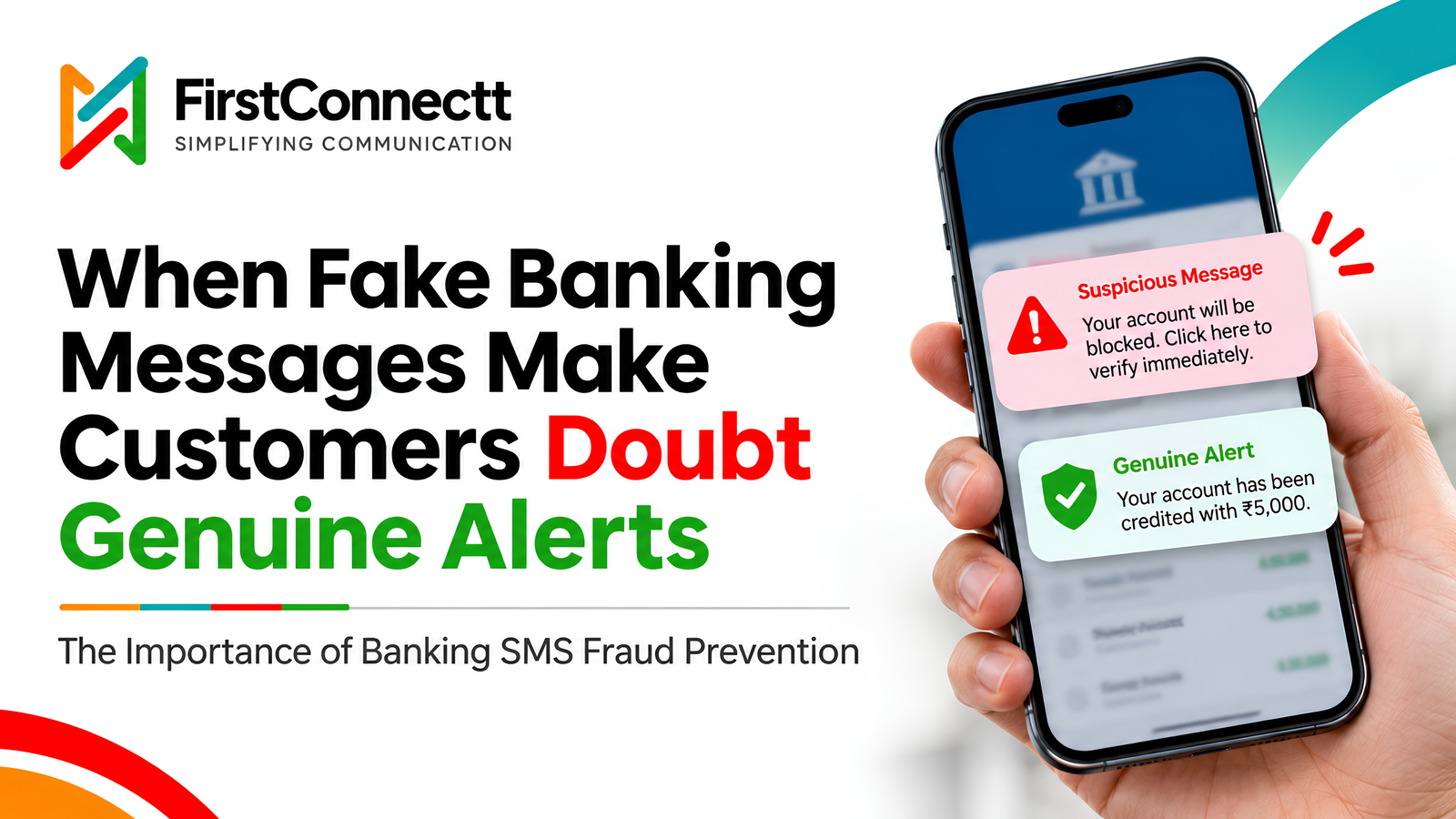
For example, a customer might receive a message claiming that their bank account will be blocked unless they update their KYC details immediately.
This message may contain a link to a fake website requesting account credentials, card information, or an OTP. When customers discover that such messages are fraudulent, they may begin questioning even the genuine notifications they receive.
This uncertainty can reduce confidence and make customers hesitant to respond to important alerts.
For banks, the challenge is to maintain reliable communication while helping customers recognise fraudulent attempts without creating unnecessary fear or confusion.
OTPs play an important role in verifying certain banking transactions and authentication attempts.
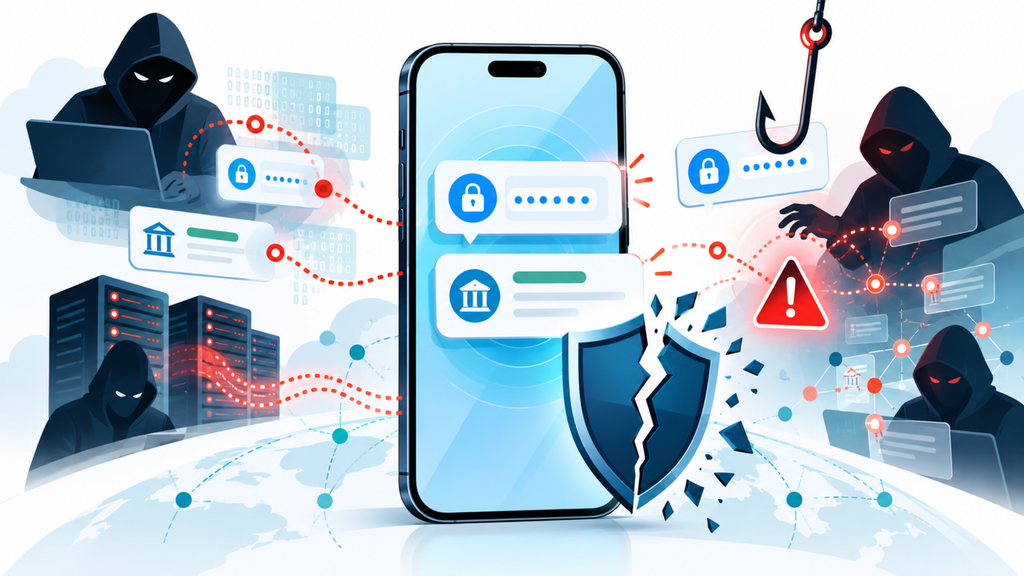
Customers are familiar with receiving these codes through SMS, which makes OTP-related messages an attractive opportunity for impersonation scams.
Fraudsters may pretend to be bank representatives, customer support executives, or verification agents. They might claim that an OTP is required to cancel a suspicious transaction, reactivate an account, or complete a security check.
Such tactics exploit customers’ trust in banking procedures. If customers believe that the person contacting them represents their bank, they may disclose an OTP without understanding that it could authorise a transaction or another sensitive action.
Payment alerts and transaction notifications face similar risks. Fraudulent messages may claim that money has been debited, a payment has failed, or a refund is pending.
Customers worried about losing money may react quickly without verifying the source. This confusion places additional responsibility on banks to communicate security instructions clearly.
Customers need to understand that an OTP should never be shared with another person and that unsolicited requests for confidential banking information require caution.
Effective banking SMS fraud prevention requires a combination of secure communication systems, customer awareness, and coordinated action against emerging threats.
Banks must treat trust as an essential part of the digital banking experience rather than an issue to address only after fraud occurs. Banks should establish consistent communication practices so customers can better understand how legitimate notifications work.
Clear sender identification, familiar message formats, and predictable security guidance can help reduce uncertainty.
However, no single measure can eliminate every scam. Sender identification can be imitated, legitimate communication channels can be misunderstood, and customers may encounter fraudulent messages through several platforms.
Therefore, banking SMS fraud prevention must combine technical safeguards with practical customer education.
Banks should also provide straightforward ways to report suspicious messages, verify alerts, and seek assistance without responding to the suspected scam.
Furthermore, financial institutions should regularly review their communication strategies to identify weaknesses that fraudsters might exploit.
Analysing customer complaints, monitoring scam trends, and updating security guidance can help banks adapt to changing threats.
Prevention becomes more effective when communication policies evolve alongside fraud techniques.
Sender verification is an important part of reducing impersonation risks.
Banks should use authorised messaging channels and follow applicable telecommunications regulations to help customers distinguish legitimate communications from suspicious messages.
In India, regulated messaging practices and sender identification mechanisms can improve transparency. However, customers must understand that a familiar sender name alone does not guarantee that every message or linked website is safe.
Another important measure for banking SMS fraud prevention is providing secure verification options. Customers should be encouraged to check their bank’s official application, independently access its website, or contact customer support through a verified number when they receive an unexpected alert.
For example, if a message claims that a payment has failed and requests immediate action through a link, customers should check their transaction history through the official banking application instead of following the message’s instructions.
Technology alone cannot resolve the trust problem created by impersonation scams.
Customers also need practical guidance that helps them recognise suspicious requests and make informed decisions when receiving banking notifications.
Banks should regularly explain that OTPs, passwords, PINs, and other confidential credentials must never be disclosed to callers or message senders claiming to represent the bank.
Customers should also be warned against installing unknown applications or sharing their screens with unverified individuals. Education should focus on everyday situations rather than complicated technical explanations.
Simple examples of fake KYC updates, fraudulent refund notifications, and suspicious payment requests can help customers understand how impersonation attempts operate. For instance, a bank could publish a short awareness message explaining what customers should do if they receive an unexpected account-blocking warning.
The message could advise them to avoid clicking the link, verify the claim independently, and report the suspicious communication. Customer education must also be accessible to people with different levels of digital literacy.
Clear language, regional-language resources, and step-by-step guidance can help customers understand security instructions without feeling overwhelmed.
Fraudsters may combine SMS messages with phone calls, messaging applications, fake websites, and social engineering techniques to make their claims appear credible.
Effective banking SMS fraud prevention requires coordination among banks, telecommunication providers, payment service providers, cybersecurity teams, and relevant authorities.
Telecommunication providers can help strengthen sender authentication and investigate suspicious messaging activity.
Banks can monitor reported scams, identify recurring patterns, and improve fraud detection systems using appropriate security and privacy safeguards.
In India, customers can report suspected cybercrime through official government reporting channels, including the National Cyber Crime Reporting Portal.
Banks should make reporting instructions easy to find and explain the appropriate steps for customers who suspect unauthorised transactions.
Coordination is especially important when customers report fraud after responding to a convincing message.
Clear escalation procedures can help them contact the appropriate institutions, understand available reporting options, and act promptly to limit further harm.
Trust is becoming an increasingly important part of digital banking because customers depend on timely and accurate information to manage their money. When fraudulent messages resemble genuine alerts, even well-designed banking communication can become a source of uncertainty.
Banks must therefore consider how customers interpret their messages, not just whether those messages are technically delivered. An alert is useful only when customers can understand its purpose and have a safe way to verify its authenticity.
Banks should also measure whether their awareness initiatives are effective.
Customer feedback, suspicious message reports, recurring complaint patterns, and responses to security campaigns can help identify communication gaps and areas that need improvement.
The objective is not to make customers suspicious of every banking notification.
Instead, banks should help them develop informed confidence by providing reliable alerts, accessible verification methods, and clear instructions for responding to potential fraud.
These improvements should be reviewed regularly as customer behaviour, scam techniques, and communication technologies continue to change rapidly.
Fake banking messages have transformed customer trust into a significant communication challenge for financial institutions. Impersonation scams targeting OTPs, payment alerts, and transaction notifications can make customers question whether a message is legitimate and hesitate to use digital banking services.
Banks that combine secure technology with transparent communication can help customers make safer decisions and for banking SMS fraud prevention. Building trust requires continuous collaboration, timely warnings, accessible reporting channels, and a commitment to improving the customer experience.
FirstConnectt helps businesses strengthen customer communication through reliable, scalable communication solutions. Connect with FirstConnectt to explore how effective communication strategies can support safer customer interactions and stronger digital trust.
➢ Banking SMS fraud prevention involves security measures, customer education, and reporting procedures that help identify and reduce fraudulent banking messages.
➢ Customers should treat unexpected requests for OTPs, passwords, or urgent link-based verification cautiously and independently verify alerts through official banking channels.
➢ Banks can strengthen trust through consistent sender identification, clear security instructions, accessible reporting channels, and coordinated fraud prevention efforts.
Share this article
Article
 Article
 Article
Ready to put these ideas to work? Talk to our team about your communication stack.
Get Started →